If Things Continue the Way They Are
The products
you love
also love the
planet.

34% reduction in carbon footprint with M1
100% recycled tungsten in the Taptic Engine
100% final assembly sites verified certified zero waste
100% recycled aluminum enclosure
No mercury, no PVC, no beryllium, no BRFs*
Apple has a plan.
We've been carbon neutral since 2020. By 2030, all our products will be too.
Behind every Apple product is a plan for the future.
Our goal of making products with net zero carbon impact by 2030 goes hand in hand with our commitment to those most affected by climate change — and to global communities who are finding solutions and taking inclusive action to fight it.
Low-carbon design
We're designing carbon impact out of our products by increasing recycled content, using material more efficiently, and reducing the amount of energy they use.
Energy efficiency
We're finding more ways to increase energy efficiency across all our retail stores, data centers, offices, and manufacturing sites.
Renewable electricity
Our corporate operations already run on 100% renewable electricity generated from solar, wind, and other renewable sources. By 2030, clean energy will be used to make every Apple product and will account for customers' product energy use as well.
Avoiding direct emissions
We're finding solutions for manufacturing and shipping materials, components, and products in ways that reduce direct greenhouse gas emissions.
Carbon removal
By investing in nature, we're working to remove carbon from the atmosphere to address the emissions we can't yet avoid, while also supporting local communities and restoring biodiversity.
Designed to leave the world
better than we found it.


Antenna lines are made from upcycled water bottles

recycled gold in plating of multiple printed circuit boards and wire of all cameras
recycled rare earth elements in all magnets

resistant .
Durable design withstands spills, splashes, and drops for longer use
The fight against climate change is a fight for economic equality.
Climate solutions can help dismantle systemic barriers.
Communities of color often bear the greatest impacts of climate change. Environmental solutions can help advance equity for these communities. In July 2020, Apple announced the inaugural Impact Accelerator program to support 15 Black-, Hispanic/Latinx-, and Indigenous-owned businesses at the cutting edge of green technology and clean energy to champion equity and opportunity in the environmental sector. As part of Apple's Racial Equity and Justice Initiative (REJI), this program helps combat systemic barriers to opportunity while advancing innovative solutions for communities most affected by climate change. The businesses are based across the United States — from Silicon Valley in California, to Detroit, Michigan, to tribal nations in the Midwest — and are driving innovation in energy efficiency, solar, green chemistry, recycling, and other environmental areas. Many are focused on bringing clean energy, opportunity, and vital services to vulnerable and underserved communities. The three-month Impact Accelerator program includes one-on-one mentorship with Apple experts on topics like renewable energy and responsible sourcing. By connecting innovators, both in our inaugural class and at Apple, we're creating more opportunities for progress in our shared goals. The second cohort of Impact Accelerator participants began in August 2022.
Learn more about REJI
Using electricity from renewable sources to make Apple Products
Clean energy is
no longer optional.
The emissions from manufacturing our products account for about 70% of our carbon footprint. By transitioning to clean energy across our supply chain, we can erase the majority of that footprint. Since 2015 Apple's Supplier Clean Energy Program has helped our manufacturing suppliers switch to renewable electricity generated from solar, wind, and other renewable projects. In 2021 the renewable energy online in our supply chain generated 18.3 million megawatt-hours of clean energy, avoiding almost 14 million metric tons of carbon emissions. Today 213 suppliers have committed to 100% renewable electricity for Apple production, representing the majority of Apple's direct worldwide spending for materials, manufacturing, and assembly of products. And by 2030, every Apple product will be made with 100% clean energy.
Our products use less power. That's powerful.
Energy-saving products reduce our carbon footprint. And yours.
The electricity our customers use to power their Apple devices makes up 22% of our carbon footprint and affects the carbon footprint of each customer. Designing products that require less energy is one of the major ways we can lower their carbon impact, even as they're being used. Software and power-efficient components in our devices intelligently manage the amount of power they consume. Apple devices consistently rank among the high-performing products rated by ENERGY STAR®. And the transition to Apple silicon in Mac computers has significantly increased product energy efficiency — Mac mini consumes up to 60% less energy while in active use than the previous generation.1
In many places, electricity comes from clean sources like the sun or wind at certain times of day. iOS 16 includes a new feature, currently available to users in the United States, that aims to decrease the carbon footprint of iPhone: Clean Energy Charging. When an iPhone is plugged in, this feature looks at the sources of the electricity during expected charge time and optimizes for when the grid is using cleaner energy sources like solar or wind. It's a small step forward, but when it comes to decreasing our carbon footprint, every step counts.

more recycled tungsten, rare earth elements, and cobalt used in our products in 2021

less single-use plastic in packaging compared with 2015
One less thing.
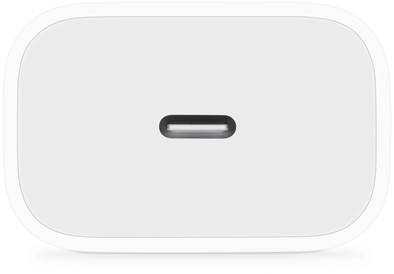
Fewer chargers mean less environmental impact.
Power adapters use the largest amounts of certain materials, including plastic, copper, tin, and zinc. By removing them from iPhone 12 packaging, we estimate that we avoided mining over 550,000 metric tons of copper, tin, and zinc ore. Using smaller, lighter packaging lets us fit up to 70% more iPhone boxes per shipping pallet, which helps further reduce our carbon footprint. Eliminating power adapters from device packaging lets us avoid more than 2 million metric tons of carbon emissions, equivalent to removing 500,000 cars from the road for a year. Leaving out those adapters was a bold change for Apple and a necessary one for our planet.
We're investing in some wild ideas for carbon removal.
Nature can help us get to neutral.
We're striving to bring our emissions down as low as possible. But there are some emissions we can't yet avoid. To remove unavoidable carbon emissions from the atmosphere, we are starting with nature-based solutions. With Conservation International (CI) and Goldman Sachs, we created the $200 million Restore Fund to make investments in natural climate solutions while seeking to generate a financial return. The world's forests, wetlands, and grasslands have an important role to play in achieving global climate targets. We're already working with CI to naturally restore the degraded savannas of the Chyulu Hills in Kenya, demonstrate innovative new models with 27,000 acres of mangrove forest in coastal Colombia, and conserve the Amazon rainforest from loss in the Rio Nieva Reserve Zone of northern Peru. Through the Restore Fund, we're aiming to remove at least 1 million metric tons of carbon dioxide per year. All of these efforts combined will help sequester carbon, restore ecosystems, and engage local and Indigenous communities while helping us along the way to our 2030 goal of carbon neutrality.
Using recycled materials lowers the carbon impact of our products.
Our goal is to one day make every Apple product with 100% recycled or renewable materials. To achieve that, we need to design devices to use more recycled content and make sure these materials get recovered when products reach end-of-life. When we use recycled and renewable materials, we lower our reliance on mining, shipping, and processing raw materials, thereby reducing our carbon footprint and conserving precious natural resources. Aluminum is one of our most widely used materials, and it represented over a quarter of our product manufacturing footprint in 2015. So we developed a 100% recycled alloy that still meets our high standards for performance and durability. The new Apple Watch Series 8 and Apple Watch SE use 100% recycled aluminum in their cases — joining all iPad models, MacBook Air, Mac mini, and the 14‑inch and 16‑inch MacBook Pro models. Thanks to these changes, aluminum made up less than 10% of our 2021 product manufacturing footprint.
Every Apple product contains materials that can be used to build new ones. And research from our Material Recovery Lab in Texas helps us reclaim more of those building blocks with innovative tools and technologies. Daisy, Dave, and Taz, our disassembly robots, take apart iPhone devices and components to recover crucial materials like gold, cobalt, tungsten, and rare earth elements. These collected materials make it back to the raw materials marketplace so that we, and others, can use recycled materials for the next generation of products. Improving the ways we source and recycle precious materials is one of the many ways we can reduce the carbon impact of our products and preserve our planet's natural resources.

of clean energy brought online in our manufacturing supply chain

reduction in average product energy use since 20082
Good for you.
Good for theplanet.
Learn more about Apple Trade In
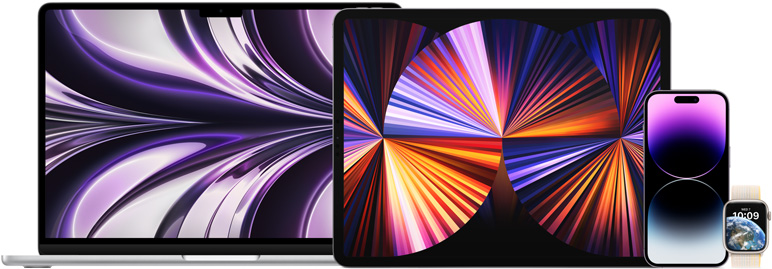
The proof is in
the products.
Learn more about the progress of your Apple devices with our product environmental reports.
Closer to 100% carbon neutral.
We're already carbon neutral across our corporate operations and are on the way to making carbon neutral products by 2030. Learn more about our latest efforts to reduce our remaining carbon footprint, fight climate change, and support equity.
View the 2022 Environmental Progress Report (PDF)
Additional Reports and Resources
We hold ourselves and our suppliers to the highest standards for labor and human rights protections, health and safety in the workplace, environmental practices, and the responsible sourcing of materials.
Visit the Supplier Responsibility site
Find out the answers to common questions about Apple and the environment.
Read the FAQs
roebucknehopeemes.blogspot.com
Source: https://www.apple.com/environment/
0 Response to "If Things Continue the Way They Are"
Post a Comment